On the banks of the Arno, vegetable tanning is measured not in hours but in seasons. We spend a week with the Mancini family, fourth-generation tanners.
The smell hits you before the tannery does. Bark, water, time — the air outside the gate at Mancini & Figli has carried it for ninety years. The riverbed runs slow here, fed by the same Javanese hills that fed it when Bartolomeo Mancini opened the doors in 1934. His great-grandson Luca runs the floor now, in the same overalls, with the same patient half-smile.
"You cannot rush a hide," he tells me, gesturing at the pits. There are twenty-eight of them, sunk into the floor in two rows. Each one holds a different stage: weaker tannin first, stronger later. The hides move from pit to pit over six months. Some take longer. "When the leather tells me," Luca says, "we move it."
"Vegetable tanning is the only kind that lets the leather keep being leather. Everything else turns it into a different material."
This is the difference, more or less, between what we use and what most of the industry uses. Chrome tanning takes a day. It is faster, cheaper, and produces a softer, more uniform leather — one that has its place. But it does not age. It does not darken in the sun, soften under your hand, take on the shape of what you carry. It stays, more or less, the way it left the factory.
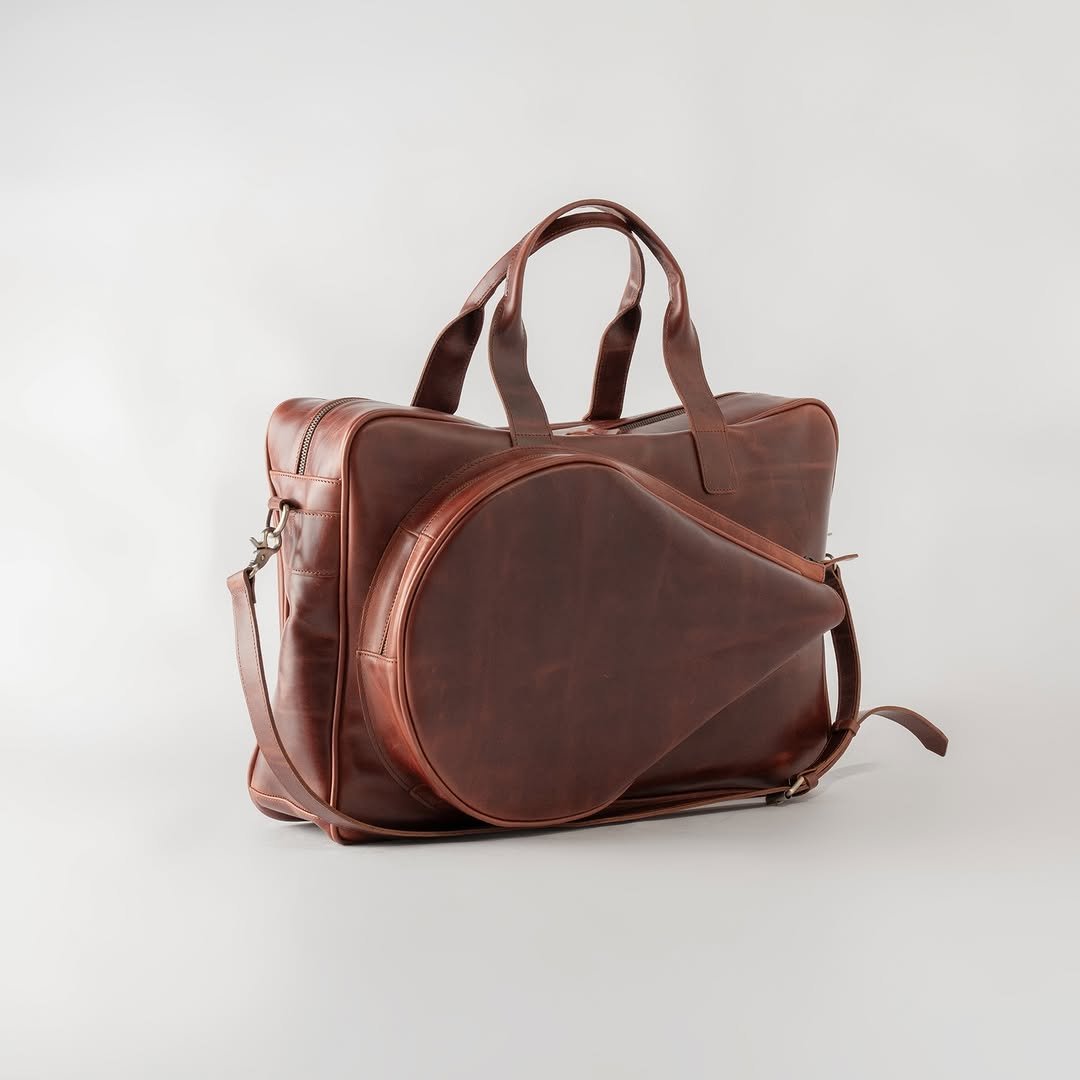
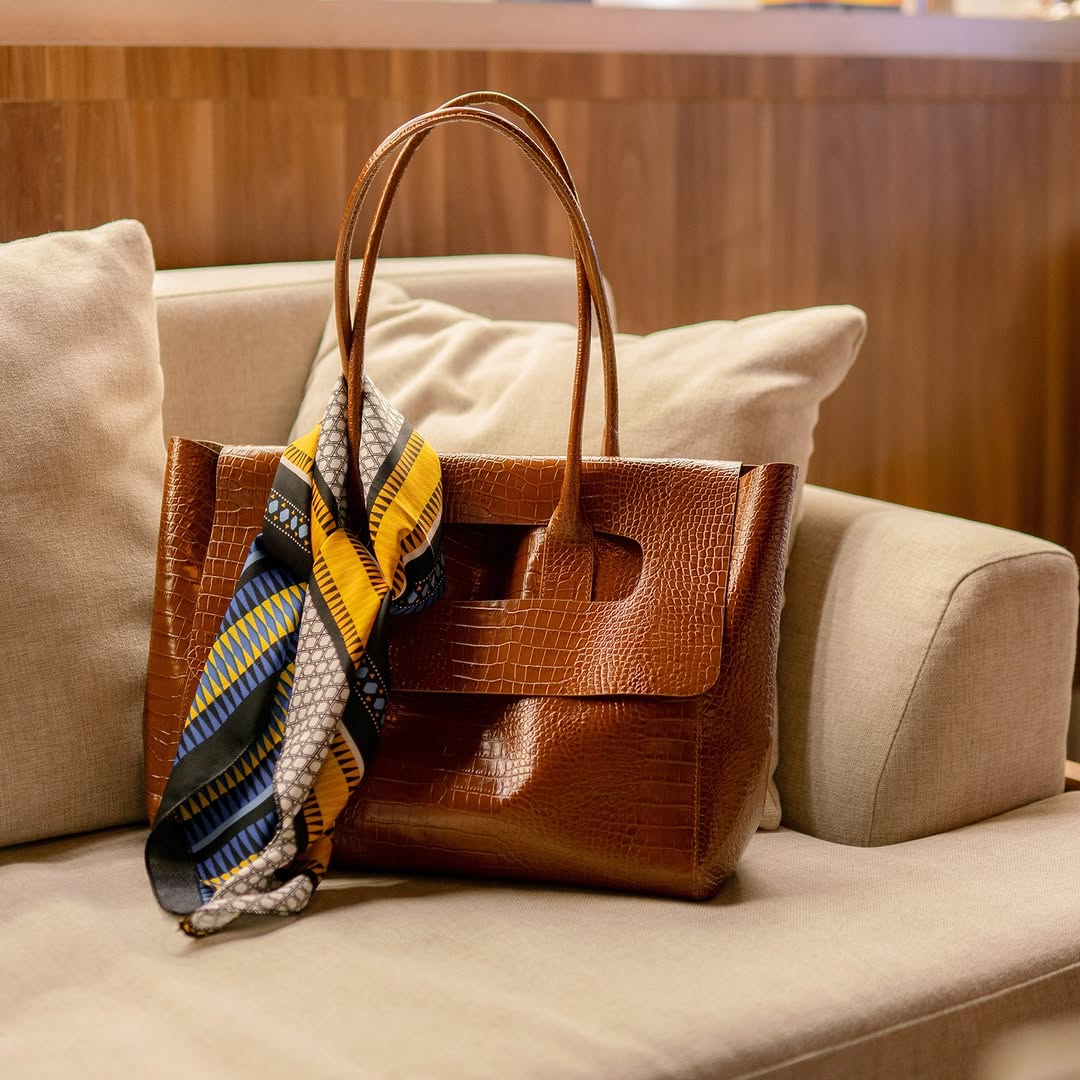
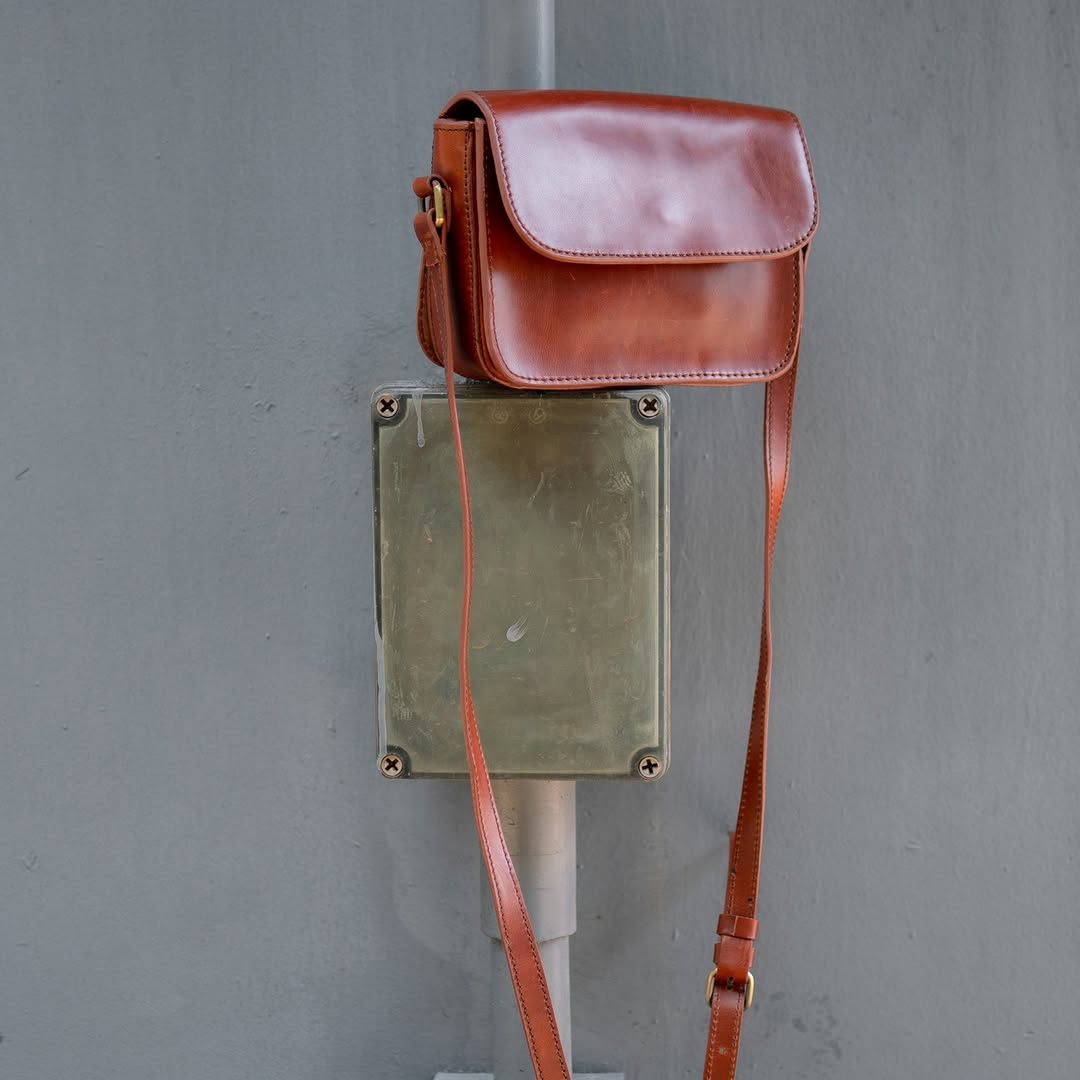
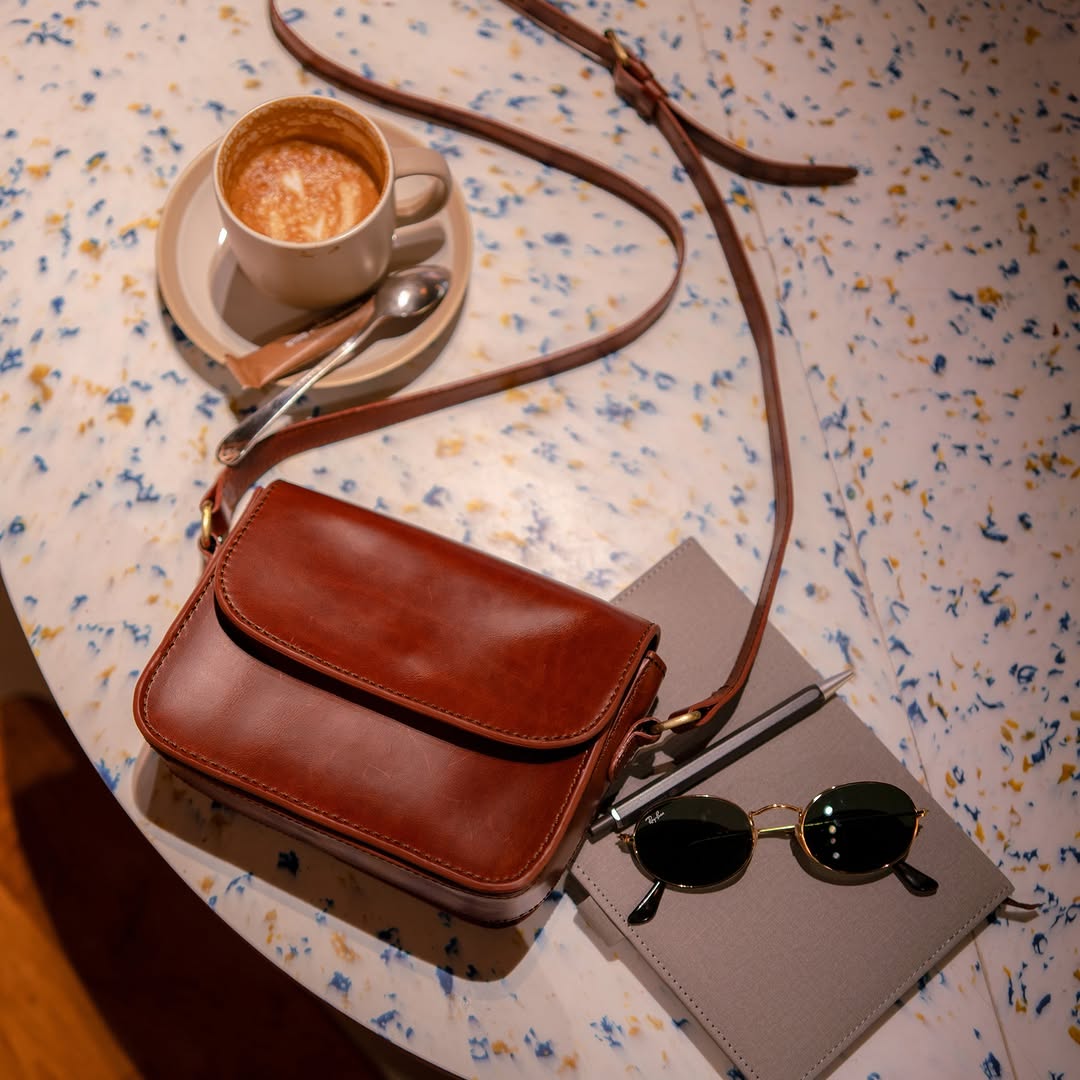
Vegetable-tanned leather does the opposite. It begins stiff. It begins pale. The first six months of carrying it are a kind of patient negotiation. Then, slowly, the leather agrees with you. The handle darkens where your hand rests. The corners round. The grain opens. Five years in, the bag is unmistakably yours; ten years in, it could not be anyone else’s.
Bark, water, and patience
The tannin comes from chestnut and mimosa bark, ground to a fine dust at a mill an hour east. The bark is mixed with cool river water in the first pit at a low concentration — perhaps two percent. The hides spend a week here, soaking. Then they move to the next pit, slightly stronger. And the next. By the time they reach the final pits, six months later, they have absorbed the tannin all the way through their thickness. You can cut a hide and the cross-section is a single, even color.
It is, Luca admits, an inefficient way to make leather. He could not run a factory this size on profit margins alone — the family owns the building, the land, the mill. They were here long enough to be left alone. He likes it that way.
When the hides come out, they are stretched on wooden frames in a sunlit drying room above the pits. They cure there for another two weeks, slowly losing the last of their water. Then they are oiled by hand — cod oil, mostly, applied with a soft cloth in long, even strokes. The leather drinks it in.
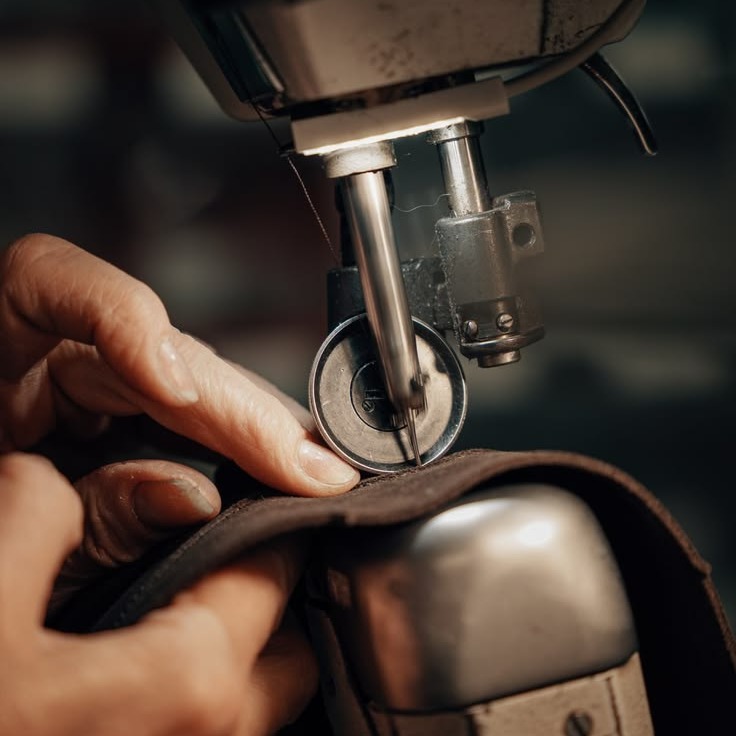
This is the leather we cut from. By the time it reaches our workshop, it has already lived seven months. A bag, then, is not the beginning of a story. It is closer to chapter three.