Why we don’t finish our leather to look new. An essay on imperfection, time, and the quiet pleasure of a thing that ages.
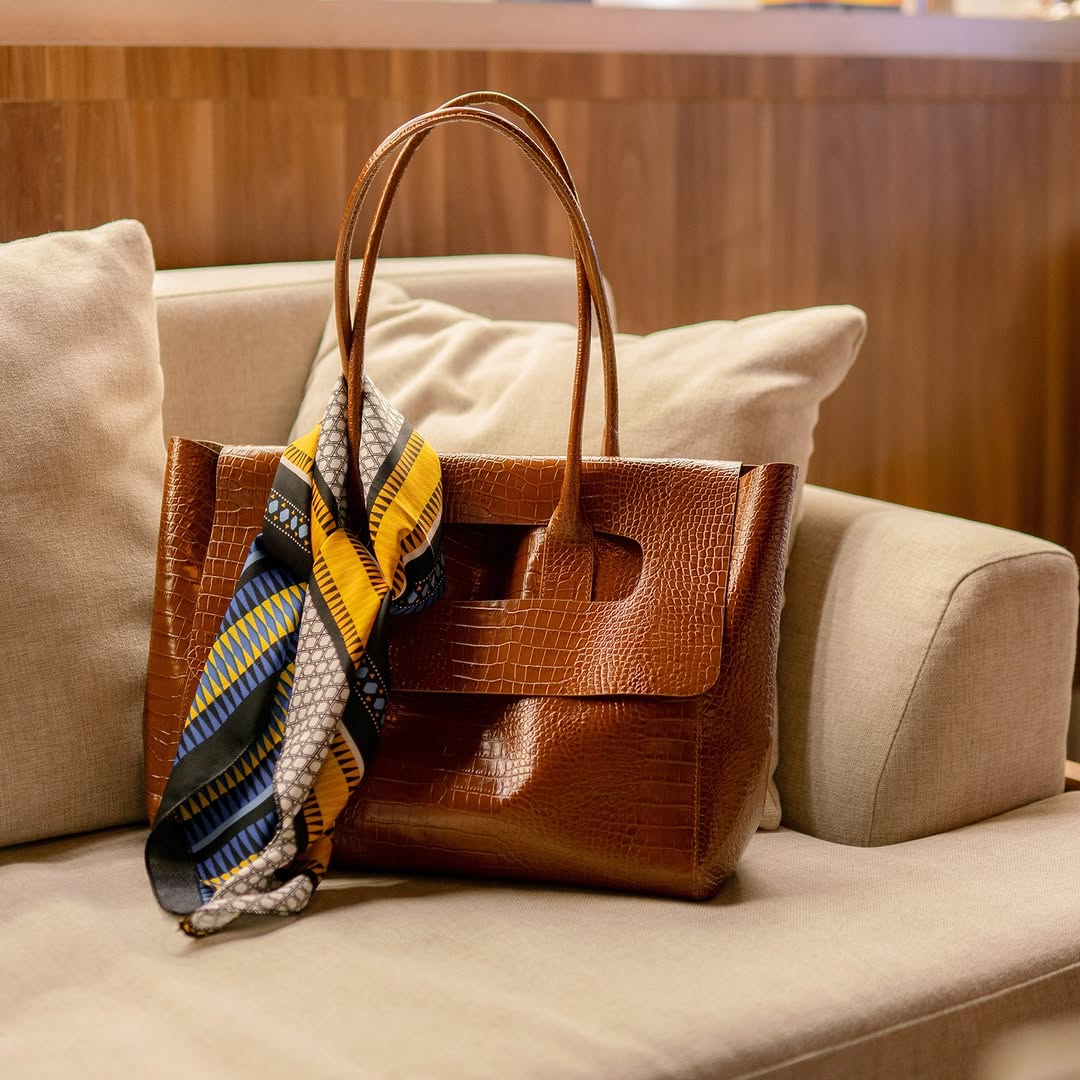
There is a particular fashion, in the world of leather, of finishing a bag so that it never appears used. The leather is sealed, glossed, sometimes printed with an artificial grain so that it always looks the same — bag in shop, bag at year five. The aim, broadly, is the appearance of permanence: the bag does not betray that it has been somewhere.
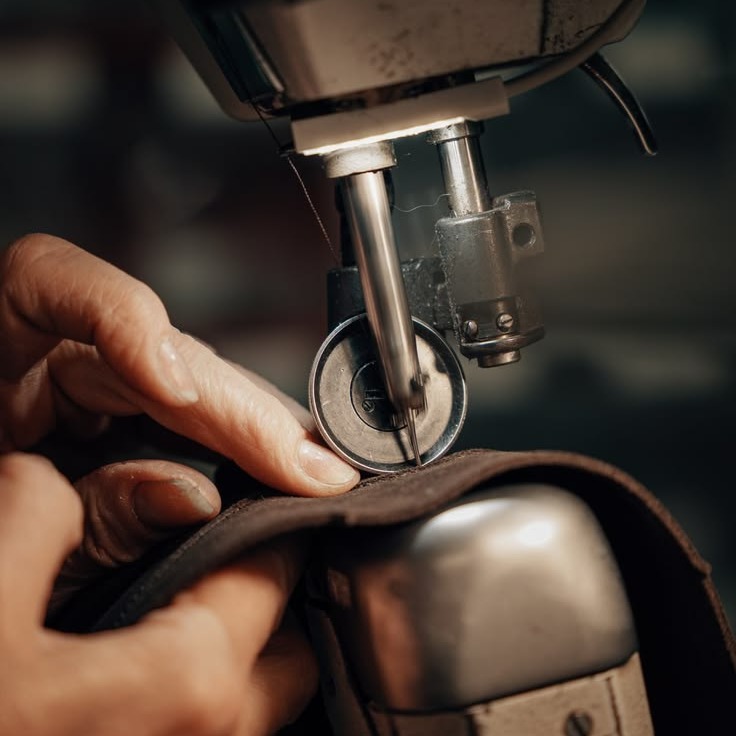
We do the opposite. We finish our leather to age, on purpose. We choose the hides for it; we tan it for it; we leave it open at the surface so that the world can write on it.
"A new bag is the announcement of a possibility. An old bag is the record of a kept promise."
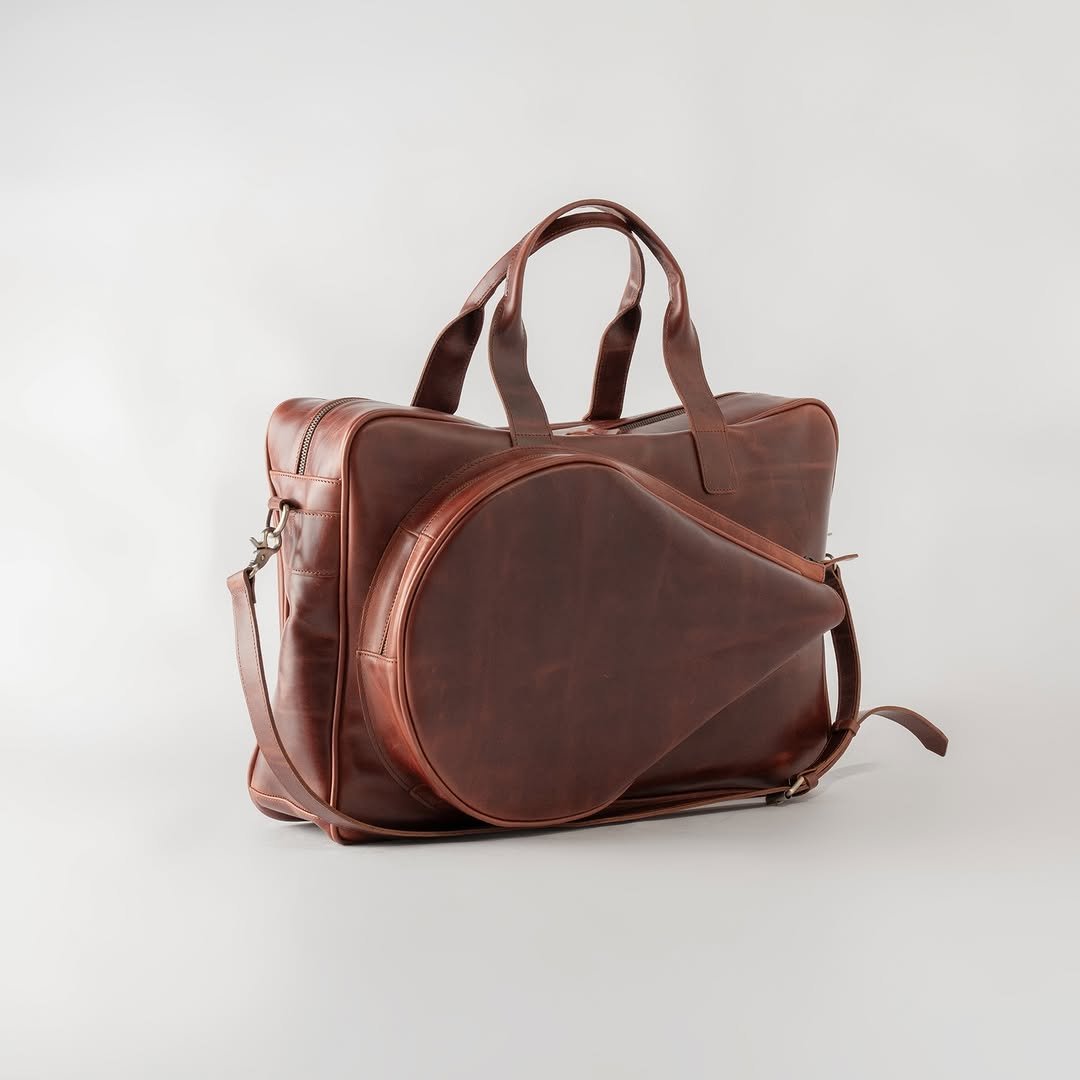
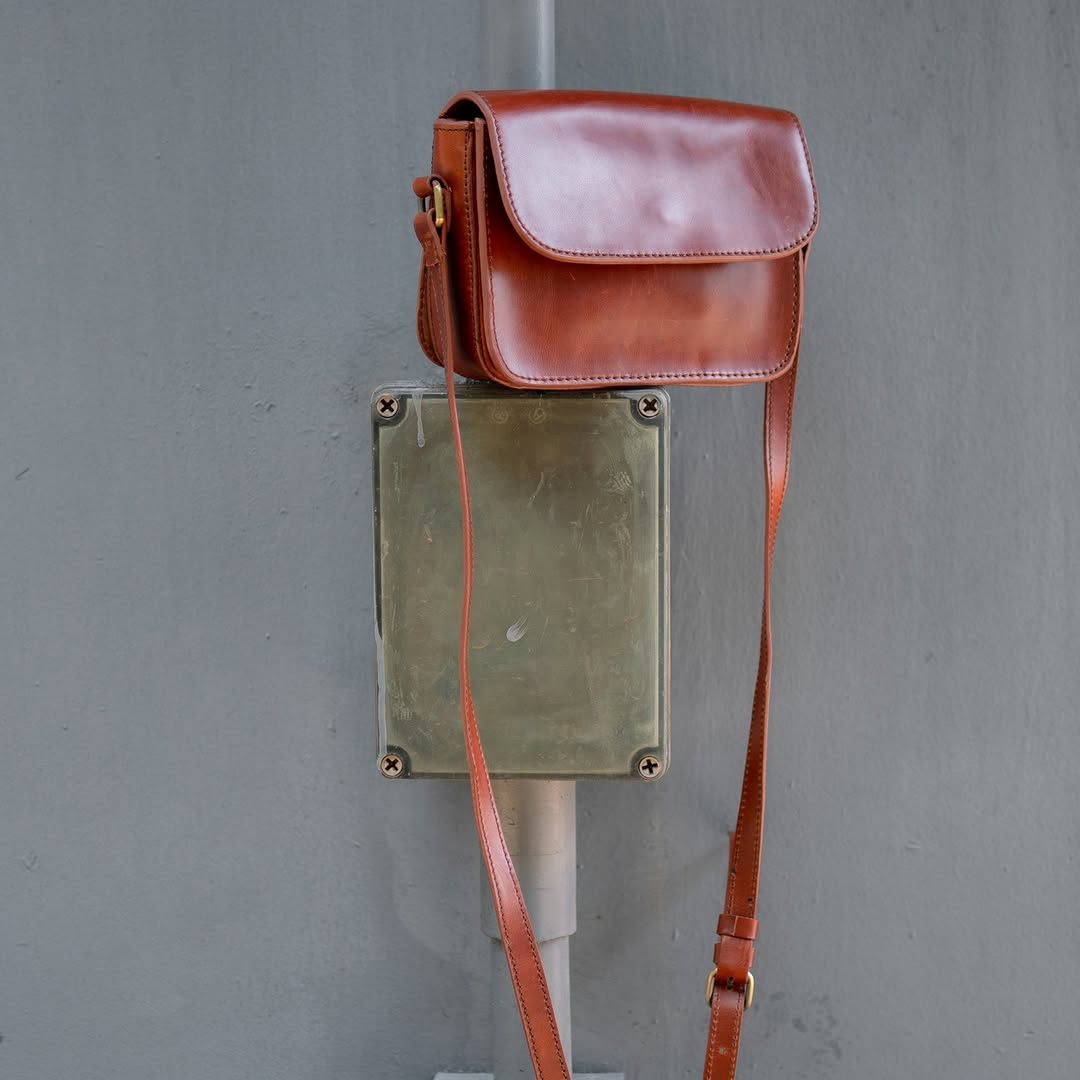
The word patina comes from the Latin for the thin layer that forms on copper and bronze as they oxidize — a quiet, slow, protective film. It is, in a literal sense, a record of exposure: a bag of patina is a bag of small, accumulated facts about its life. The corners that rounded against a desk. The handles that darkened where you held them. The faint shine on the back, where the bag rested against your coat.
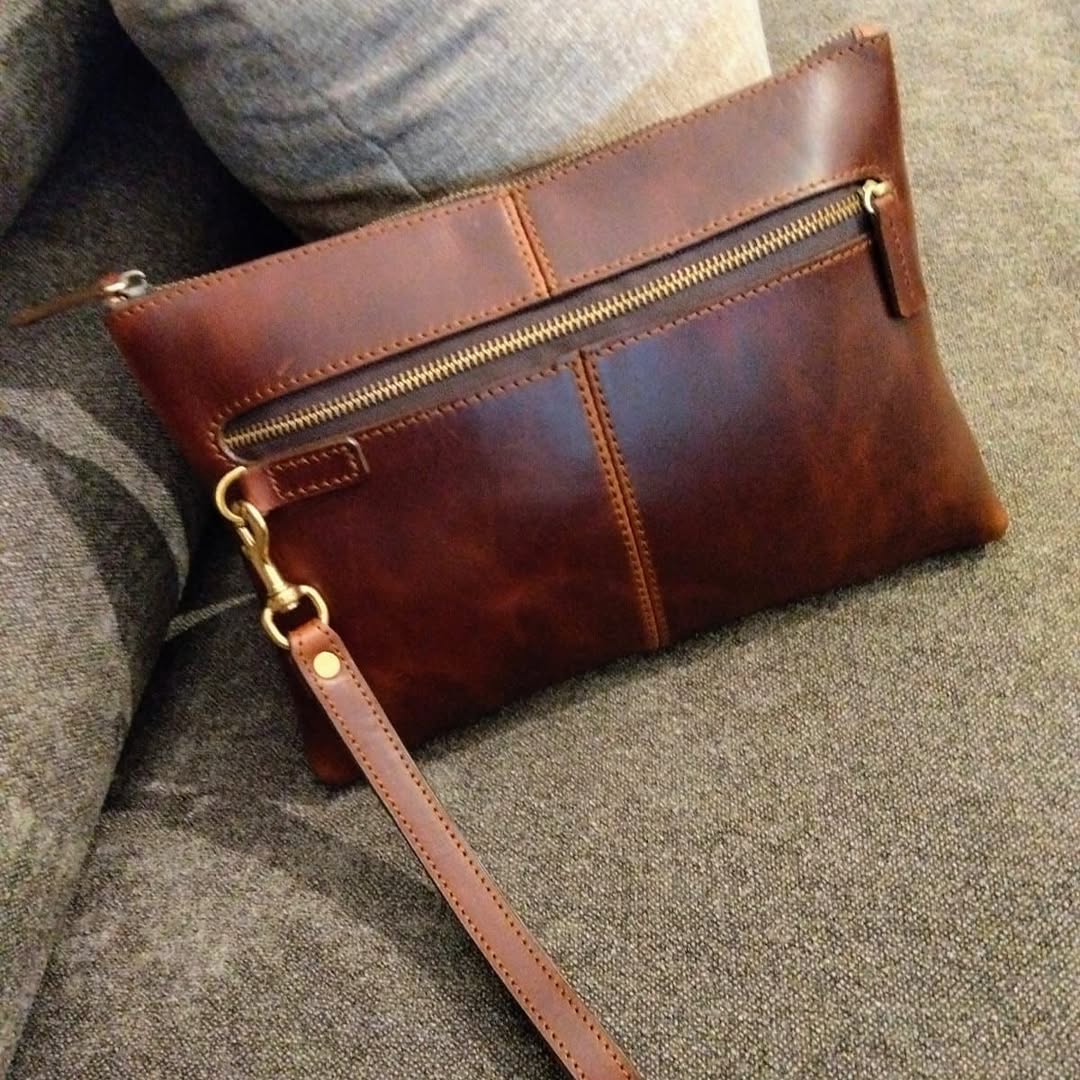
Imperfection, and the honest surface
There is, of course, a difference between aging and damage. We are not romantics about everything. A scratch from a careless moment is not patina; it is a scratch. But there is a category of mark that sits between the two — the soft, uneven darkening of a surface that has been honestly used — and we believe it is the loveliest thing leather can do.
You cannot fake it. You cannot speed it up. The bag has to live the years. Then, if you are patient, the leather will give you something almost no other material can: an honest record of where it has been, and a quieter version of itself than the one it started as.