A short note on scale, restraint, and what we lose when we make more than we can know.
A decade ago, when we were two and we were arguing about how big to grow, we made a rule. We would only ever buy two hides at a time. We would build what we could from those two hides. When we were finished, we would buy two more.
It is a stupid rule, in many ways. The economics do not favor it. We could buy a pallet, and we would pay less per square meter. We have been told this at every tannery we have ever visited, by accountants who have come through the door, and by friends who run more sensible businesses.
"You cannot know a hundred hides. You can know two."
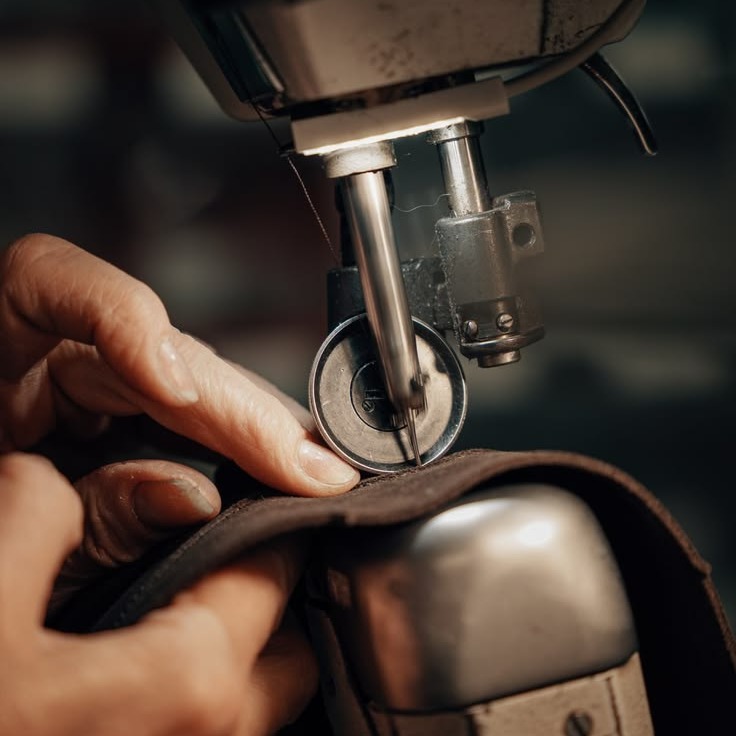
But here is what happens when you only have two hides: you know them. You know their weight, their grain, the small variations of color across their surface. You know which side will make a strap and which side will make a panel. When you cut them, you cut them with respect, because you cannot replace what you have spoiled.
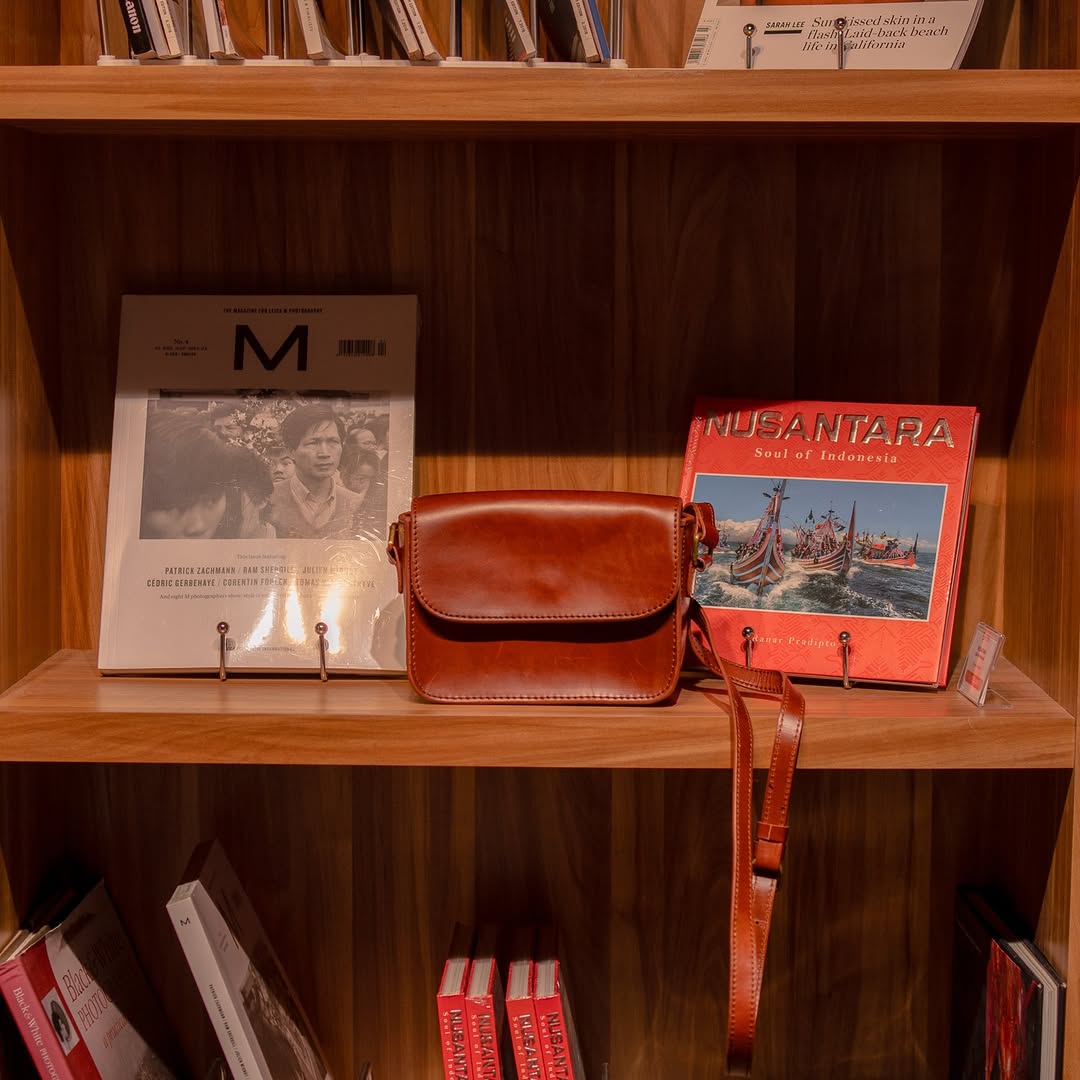
Restraint, and what it gives back
It also slows you down. We make perhaps thirty bags a month, on average, and never more than fifty. We will probably not be a large house. We have never wanted to be.
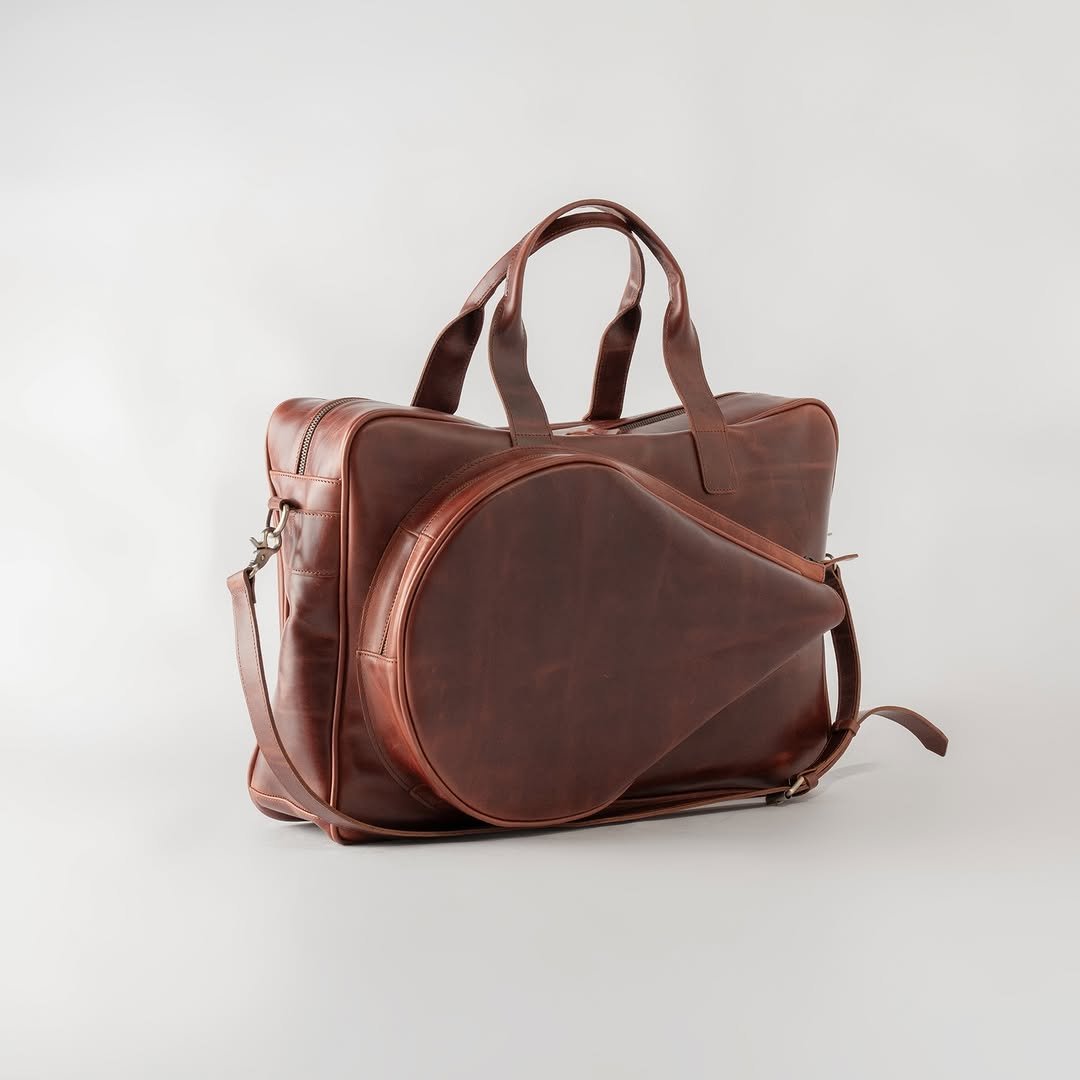
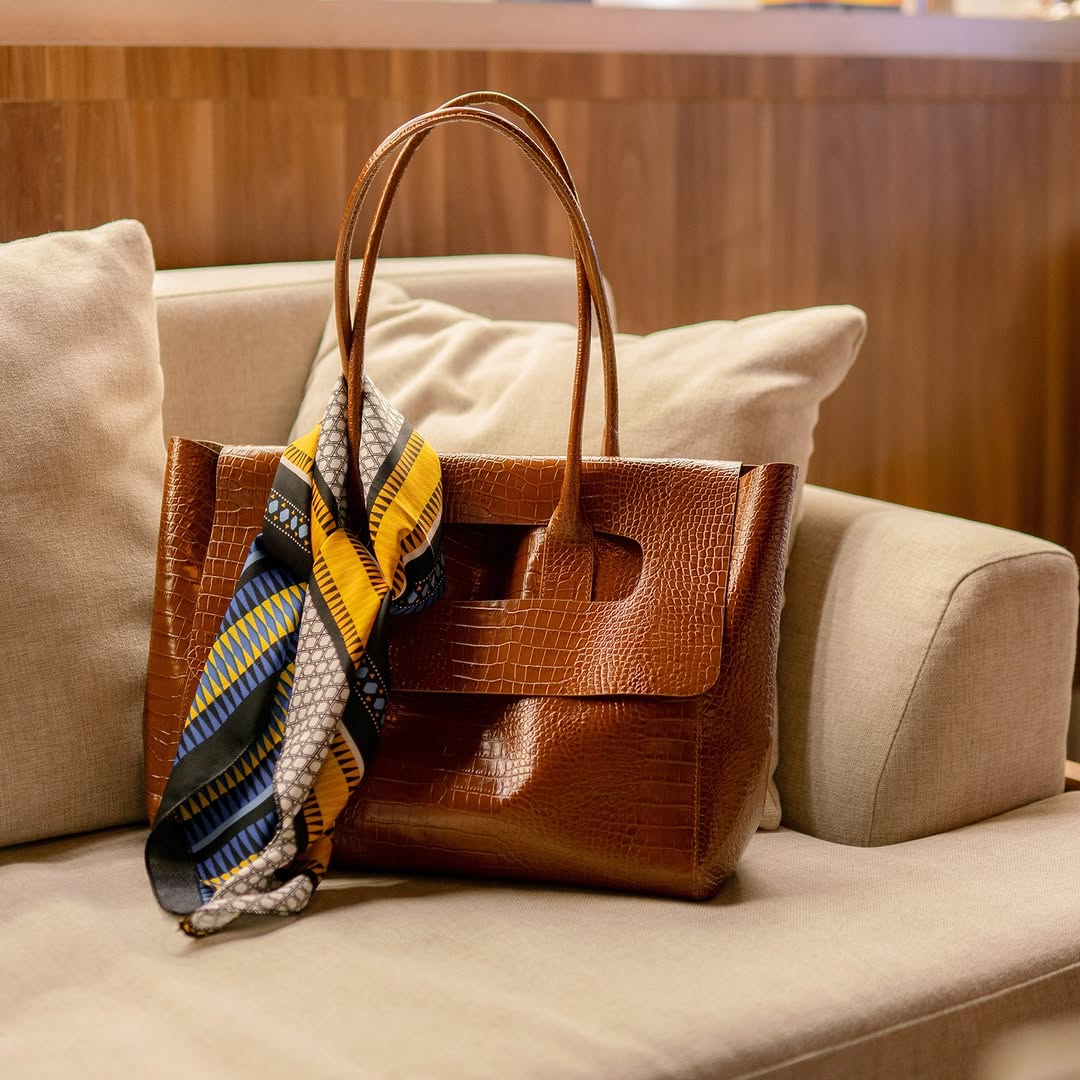
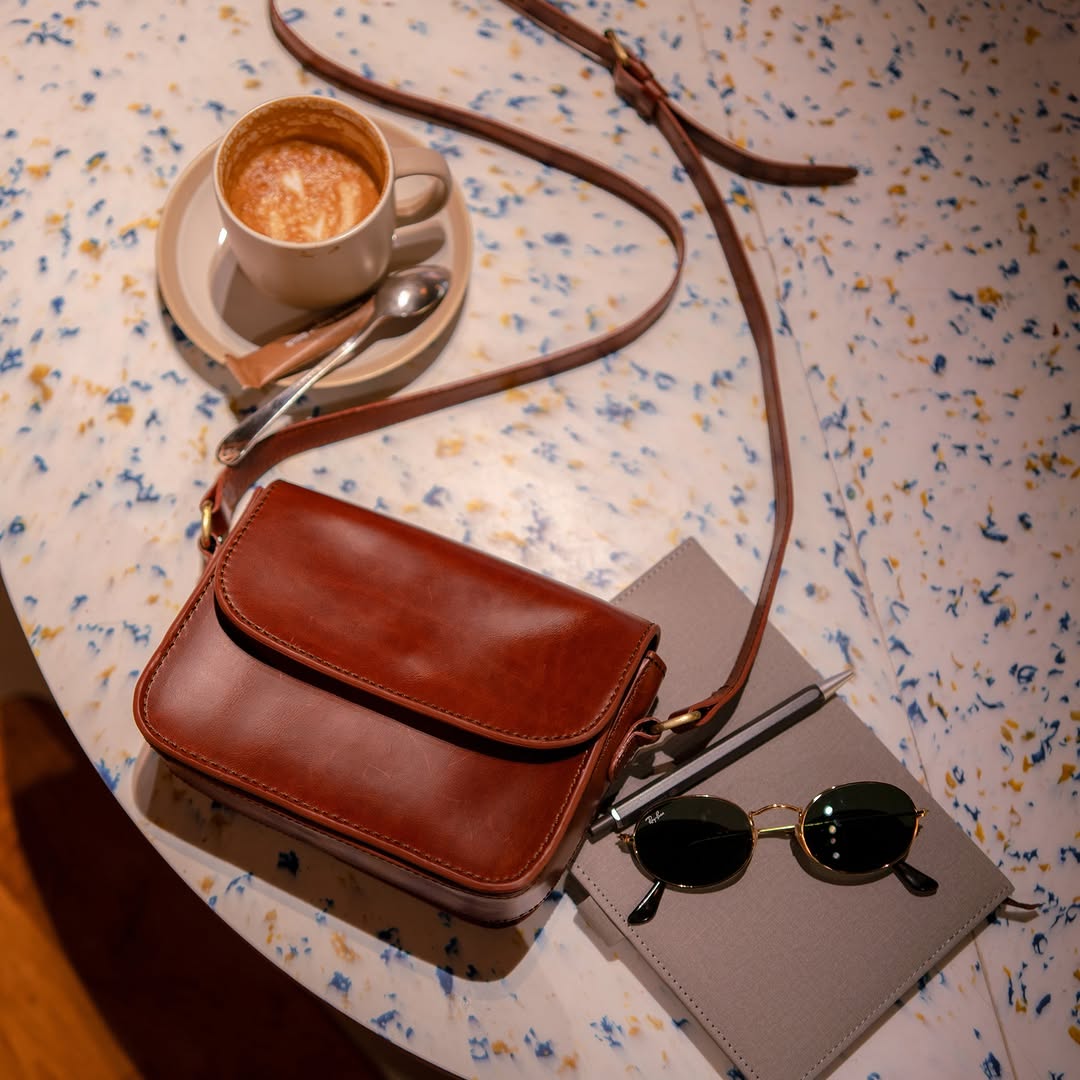
In return, we know every bag that leaves the workshop. We know the artisan who made it; we know the hide it came from; we know the day it was cut and the day it was finished. When a bag comes back to us — for repair, for cleaning, sometimes just to say hello — we recognize it. That is the thing the rule has given us. We did not expect it. It is the best part of our work.